This is Our Everything

Six years ago, filmmaker Frederick Subei approached me, seeking assistance to connect with the Guajajara People. His vision was to capture the valiant efforts of the Guajajara warriors who were tirelessly safeguarding their forest.
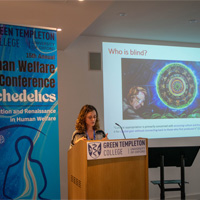
Psychedelics: Revolution and Renaissance in Human Welfare

On the 15th of May 2023, Green Templeton College (GTC) hosted its 15th Human Welfare Conference, “Psychedelics: Revolution and Renaissance in Human Welfare”. Chaired by anthropologist Austen Fisher, it was the first college-led academic conference on psychedelic research and practice at the University of Oxford.
The Yanomami are Life

Many centuries ago the Yanomami already said that the Earth was blue, covered by a fragile layer of blue, which should be treated with great care.
The mother of Brazil is Indigenous
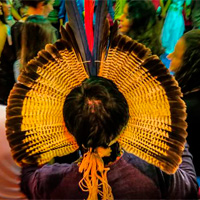
The mother of Brazil is Indigenous, even though the country is prouder of its European father who treats it like a bastard child. Its roots are Indigenous, come from the ancestral people who wear a story, who write their culture, their prayers, and their struggles on their skin…
A sight of relief at COP 27: Brazil is Back!
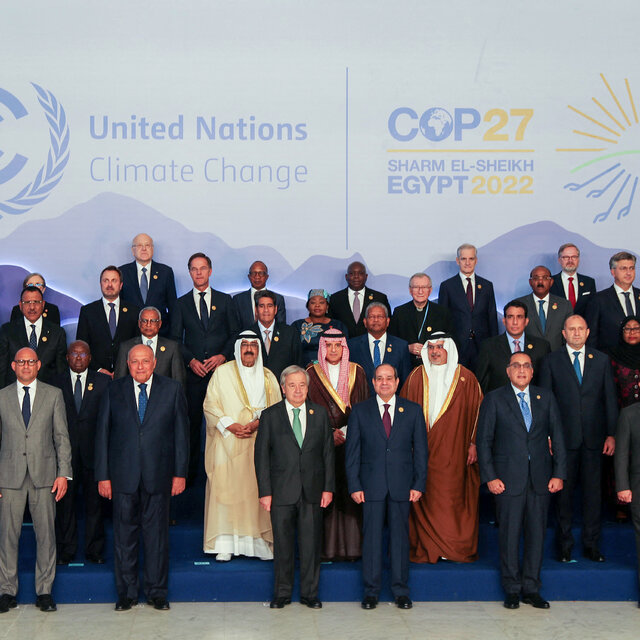
“Brazil is Back!”, said president-elect Luiz Inácio Lula da Silva at COP 27 in Egypt. Although I am truly happy with the result of the Brazilian elections – the main reason for hope during COP 27 – I have been struggling with what to say about it. I don’t want to be a downer, but urgent action on the climate crisis is needed and conferences like COP might not be the way ahead.
On the invisible wars
Since 2019 the world is at war with coronavirus and its variants. A war with an invisible enemy. Coronavirus has gained all the attention with its unprecedented coronation, but how many other unseeing wars are happening that have a great impact to the world’s population?
Battling for life
Pay attention! The most important protest on Earth is happening right now.
Why we should learn how to listen to other than human beings?

Last month, part of the world witnessed a remarkable solar eclipse. Thanks to scientific knowledge, we now know that this is an astronomical phenomenon involving different celestial bodies – sun, moon and earth –, quantifiable and predictable by astronomy. But for many centuries, before astronomy became a science, such phenomenon was observed and interpreted in different ways by a variety of traditional, pre-industrial cultures. For instance, the disappearance of daylight was interpreted by aboriginal Australians negatively, frequently being associated with bad omens, evil magic, disease, blood and death. The ancient Greeks believed that a solar eclipse was a sign of angry gods and that it was the beginning of disasters and destruction.
The Significant Others: A Letter from Coronavirus to GHG
Dear Greenhouse Gases,
Let me first introduce myself. My name is SARS-CoV-2, but you can call me Coronavirus 2. As my name implies, I am a virus, a strain of SARS-CoV-1, possibly born in a wet animal market in Wuhan, China, in early December 2019. I have gone through my usual mutations and I am now reproducing fast.
The Amazon is sending us smoke signals. Will we finally respond?
In 2014 when I was in São Felix do Xingu, Pará, I remember many farmers I was working with saying: “If the government does not fulfil its promises, we will show them who owns the Amazon. And we will do it by burning it.”